For Independent NC Funeral Homes

Your preneed program is either protecting your funeral home's future — or it isn't.

A straightforward look at what's actually happening with preneed in North Carolina, what it's costing funeral homes that don't have a functioning program, and a model that works without adding to your staff.

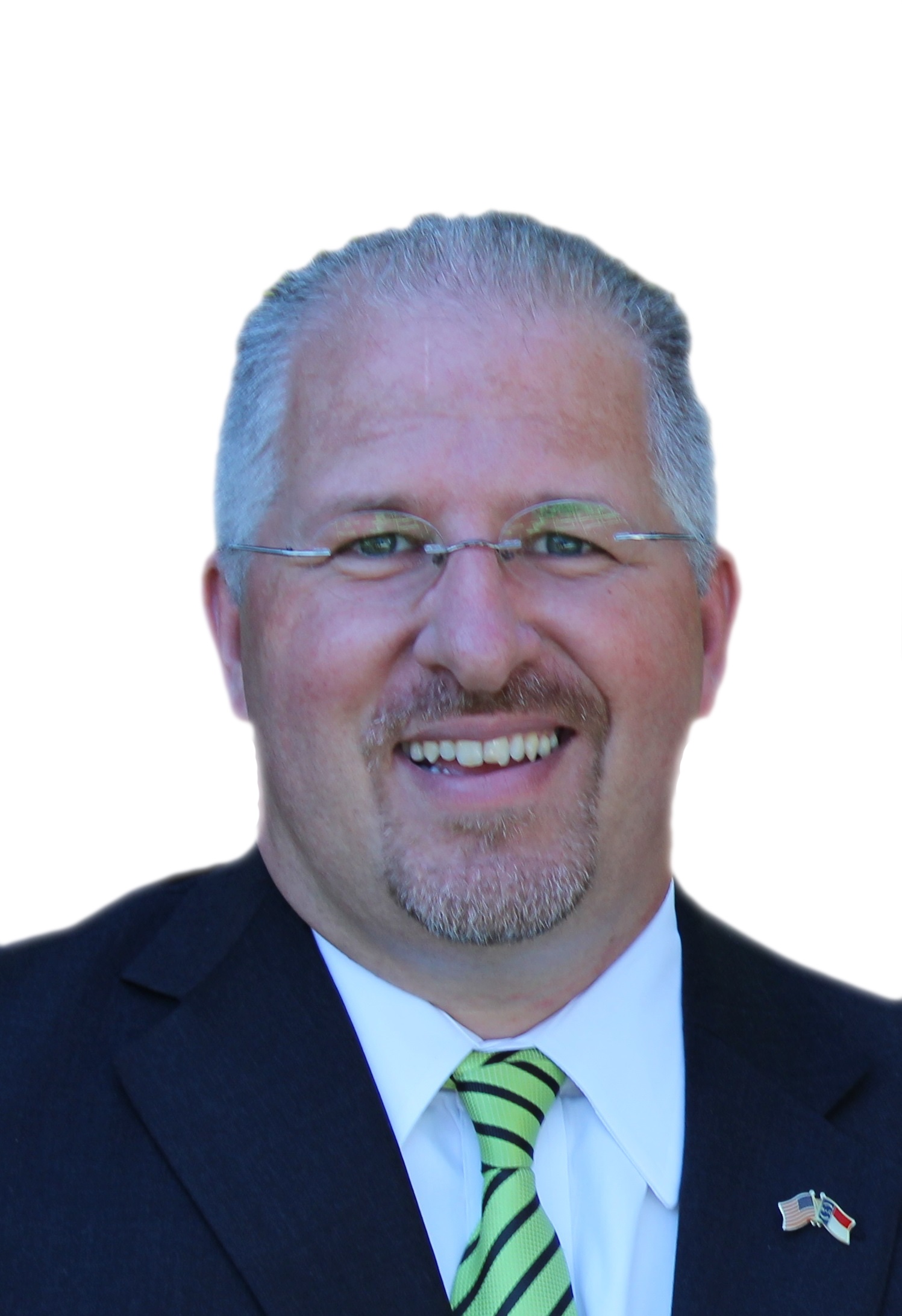
Duane Cutlip
Duane Cutlip
Licensed NC Preneed Funeral Director · Cutlip Associates, LLC
2
Let's Start Here

When was the last time a family called your funeral home because of preneed?

Not a family who prearranged and then called you at-need. A family who called specifically because your preneed program reached them — through a seminar, a referral, a piece of mail — and made you the funeral home they trusted before they needed you.

If the answer is "I'm not sure" or "it's been a while," you're in the same place as most independent funeral homes. The program exists. It just isn't doing what it's supposed to do — which is to bring future families to you before a competitor does.

The difference between a passive program and a producing one

A passive preneed program handles families who come to you. A producing program goes and finds them — through community outreach, referral networks, and consistent follow-up — and ties them to your funeral home years before they need you. Most NC independent funeral homes have the passive version. The corporate chains have the producing version, and they've been building it for a decade.
3
The Market

Three things that have permanently changed the preneed calculus for independent funeral homes.

Cremation

Revenue per call keeps dropping.

North Carolina's cremation rate is tracking toward 65%. A cremation generates roughly 40% less revenue than a traditional burial. The same call volume now produces significantly less revenue — and that gap widens every year without a program that protects it.

Corporate Competition

Corporate chains have dedicated preneed sales forces.

SCI and other consolidators have built full-time preneed sales infrastructure targeting the same families in your market. They're making first contact — and writing the contract — before those families ever think to call you.

Mobility

"They'll use us anyway" is less true every year.

Nearly 6 in 10 Americans no longer live in their hometown. The family loyalty that brought three generations to your funeral home is a diminishing asset. The families coming into your market have no relationship with you yet — and whoever reaches them first builds one.

4
The Real Reason

Funeral home owners know preneed matters. So why isn't it happening?

It's not a knowledge problem. It's a capacity and trust problem — and both are solvable.

Most funeral home owners who've thought about this have come to the right conclusions. They know preneed matters. They know their program isn't where it should be. So why hasn't it gotten fixed? Usually for one of these reasons:

"There's no one to run it."

At-need is immediate, necessary, and staffing-constrained. Every preneed appointment takes half a day from someone who's already stretched. The program gets pushed to next week indefinitely — not out of neglect, but out of reality.

"We tried preneed before and it didn't work."

Many funeral homes had a bad experience — a carrier representative who posed as a consultant, promised support, and disappeared. That experience was earned. It doesn't mean preneed doesn't work; it means the last approach didn't.

"I'm not sure we need it — families come to us anyway."

True, for now. But the families who will call your funeral home in 2032 are making decisions right now — and most of them don't have a relationship with you yet. A producing preneed program builds those relationships before a competitor does.

"I can't justify a full-time preneed hire."

This is often the right conclusion. A funeral home doing 100 at-need calls per year may not have the volume to support a full-time preneed counselor. But there's a model that doesn't require one.

5
The Real Cost

A passive preneed program costs more than most funeral homes calculate.

The cost of not having a functioning preneed program doesn't show up on this month's P&L. It shows up in the things that don't happen — and funeral homes typically don't notice until the pattern is years old.

What you lose when preneed isn't producing:

Future at-need calls

Every preneed contract written today is a future at-need call that comes to you instead of a competitor. Every year without a producing program is future call volume that goes somewhere else.

Full-invoice arrangements

Families who prearranged know what they want and have already funded it. At-need families who have to come up with money immediately do less — sometimes significantly less — than what they actually wanted.

Cash flow stability

At-need receivables are a chronic problem. Life insurance assignments delay payment. Families take on debt to pay funeral bills. Preneed eliminates both problems for those families — payment is complete before the death.

Business value

A large, healthy preneed balance increases the transferable value of a funeral home business — whether the plan is to pass it to the next generation or eventually sell.

The invoice reality no one talks about

When a family preplans, they decide what they want without the pressure and grief of an immediate death. They choose what's right for their loved one. The result is typically a fuller, more meaningful arrangement.

When a family has to come up with money at the worst moment of their lives, they often do less — not because they wanted less, but because the pressure of the moment and the financial reality pushed them there. That's a smaller invoice for the funeral home and, more importantly, a less complete goodbye for the family.

6
Real Situations

What NC funeral homes have actually faced — and how they handled it.

These situations happened. The details are anonymized, but every one of them is real, and every one of them will sound familiar.

Staffing Crisis

Two directors gone. Half the staff. Same call volume.

A funeral home lost two licensed directors in the same season. The pressure to hire the first available people was intense. Having outside coverage gave them the time to make deliberate decisions instead of desperate ones.

→ Right hires made. No service compromised.
The Counselor Who Walked Out

Quit without notice. License off the wall. Gone by noon.

A preneed counselor walked out mid-Tuesday with no explanation. Families in the pipeline had no one managing their paperwork or calls. Outside coverage stepped in immediately to protect those relationships.

→ Families served. Program intact.
Emergency Coverage

Director in the ER at 5 a.m. Families at 10.

A scheduled morning with arrangements and a graveside committal. The primary director was in the emergency room. A licensed NC director who already had a relationship with the funeral home stepped in on same-day notice.

→ Families served. Reputation protected.
The Seminar Model

Preneed results without preneed staff.

A funeral home couldn't staff a full preneed program. One community seminar per year, with outside management of every follow-up appointment. Staff never touched a preneed appointment. The program produced near-term contracts and months of residual interest.

→ Preneed without anyone's job description changing.
7
The Solution

The model that works — without a full-time hire.

Most funeral homes don't need a full-time preneed counselor. What they need is a licensed NC preneed professional who handles it when it needs to happen — appointments, coverage, seminars — and doesn't appear on the payroll the rest of the time.

01

A family asks about preplanning.

Staff takes a name and calls. Or the family calls directly. Either way, it lands with someone who handles it — not back on the funeral director's desk.

02

The appointment happens.

A real conversation. No scripts. No pressure. A licensed professional who has been doing this for nearly 20 years and still does it every week.

03

The contract is filed.

The paperwork is complete. The family has a plan. When the time comes, they call your funeral home — the one that made it easy for them to prepare.

This isn't the only model.

Some funeral homes need emergency fill-in coverage for at-need scheduling conflicts. Some need program consulting when their existing preneed isn't producing. Some need training for staff who have the preneed responsibility but not the skills. The conversation starts with what's actually going on at your funeral home.

8
Who Is Duane Cutlip?

A practitioner who consults — not a consultant who studied preneed.

Duane Cutlip
"I still write preneed policies for families this week. I still walk into funeral homes every week. When I recommend something, it's because I've done it — not because I read about it." — Duane Cutlip

Duane Cutlip is a Licensed Preneed Funeral Director and Licensed Funeral Director in North Carolina. He has been involved with more than nine independent NC funeral homes over nearly 20 years — building programs, covering staffing gaps, training counselors, conducting seminars, and handling preneed for families who needed someone they could trust.

Before entering funeral service, he was a small business owner with a corporate finance background — which shapes how he approaches a funeral home's preneed program not just as a sales activity but as a business function with measurable performance and long-term value.

Licensed NC Preneed Funeral Director
Licensed NC Funeral Director
Licensed NC Insurance Agent
NFDA Member
No carrier sales quota
Triangle-based · Serving NC funeral homes
The Next Step

A short conversation. No pitch. Just an honest look at your situation.

Most conversations start with Duane listening. He's heard a lot of different situations. Tell him what's going on at your funeral home and he'll tell you honestly whether he can help — and what that would look like.

Call (919) 822-2010 Send a Message

Cutlip Associates, LLC  ·  Wendell, NC  ·  cutlipassociates.com  ·  duane@cutlipassociates.com

Licensed NC Preneed Funeral Director · Licensed NC Funeral Director · Licensed NC Insurance Agent · NFDA Member